Investing in Stability: How the US Plans to Address the Root Causes of Conflict.
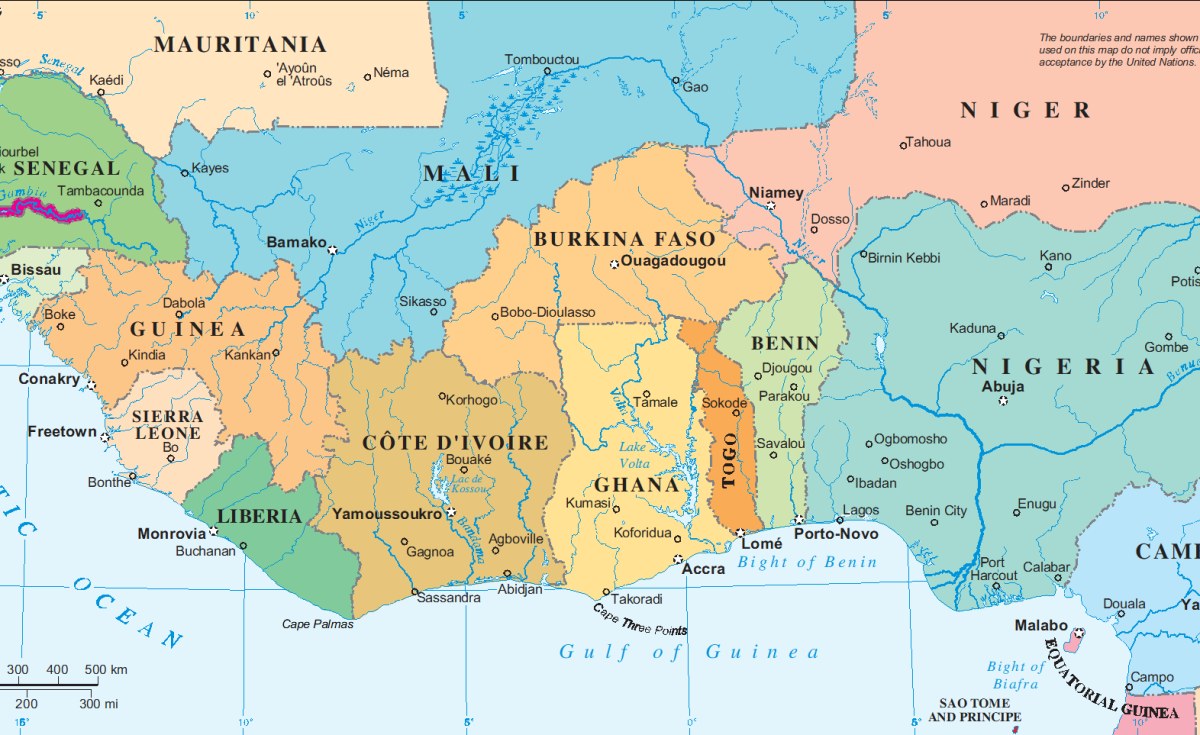 |
| West Africa: A New U.S. Plan to Avert Wider Conflicts in the Region. |
President Biden recently announced a 10-year plan to
implement the U.S. Strategy to Prevent Conflict and Promote Stability in
partnership with Haiti, Libya, Mozambique, Papua New Guinea, and Coastal West
Africa, including Benin, Côte d’Ivoire, Ghana, Guinea, and Togo. The plan
represents a significant shift in the United States' approach to global peace
and security and seeks to address the persistent but changing dynamics of
fragility, conflict, and violence in these regions.
Rethinking Foreign Policy
To implement the plan effectively, the United States will
need to engage selectively based on defined metrics, the host country's
political will, respect for democracy and human rights, defined cost-sharing,
and mechanisms that promote mutual accountability with national and local
actors. As President Biden stated, "We need to rethink how we do foreign
policy. We have to focus on preventing conflicts, promoting democracy, and
human rights, and creating economic opportunities that help people thrive."
 |
| Guineans street protest in Conakry to oppose President Alpha Condé’s attempt to change the country’s constitution and obtain a third term in power. |
One way to communicate this message is through the use of
quotes from prominent leaders who have spoken about the importance of promoting
stability and preventing conflict. Here's an example:
"Stability and security are prerequisites for development. We cannot have development without stability and security." - Akinwumi Adesina, President of the African Development Bank.
Another approach is to highlight the five key strengths of
the new strategy:
1 Strengthening institutions: The plan emphasizes the need to strengthen institutions, including government, civil society, and the private sector, to promote stability and prevent conflict.
2. Addressing root causes: The plan recognizes that economic and social development is essential to addressing the root causes of fragility and instability.
3. Building partnerships: The United States will work in partnership with national and local actors, as well as regional and international organizations, to promote stability and prevent conflict.
4. Prioritizing prevention: The plan prioritizes prevention by investing in early warning systems, conflict prevention initiatives, and crisis response mechanisms.
5. Using evidence-based approaches: The plan is evidence-based, using data and analysis to inform decision-making and ensure that resources are targeted where they are most needed.
To guide United States efforts across priority countries and
regions, the plan outlines four goals:
- Strengthening democratic institutions and governance: The United States will work to strengthen democratic institutions and governance to promote stability and prevent conflict.
In conclusion, President Biden's 10-year plan to implement the U.S. Strategy to Prevent Conflict and Promote Stability in partnership with Haiti, Libya, Mozambique, Papua New Guinea, and Coastal West Africa represents a significant shift in the United States' approach to global peace and security. By engaging selectively, promoting shared responsibility, and using evidence-based approaches, the United States can help to create a more stable and peaceful world for all.
By Gbolahan Alabi-Isama MS.


Comments
Post a Comment